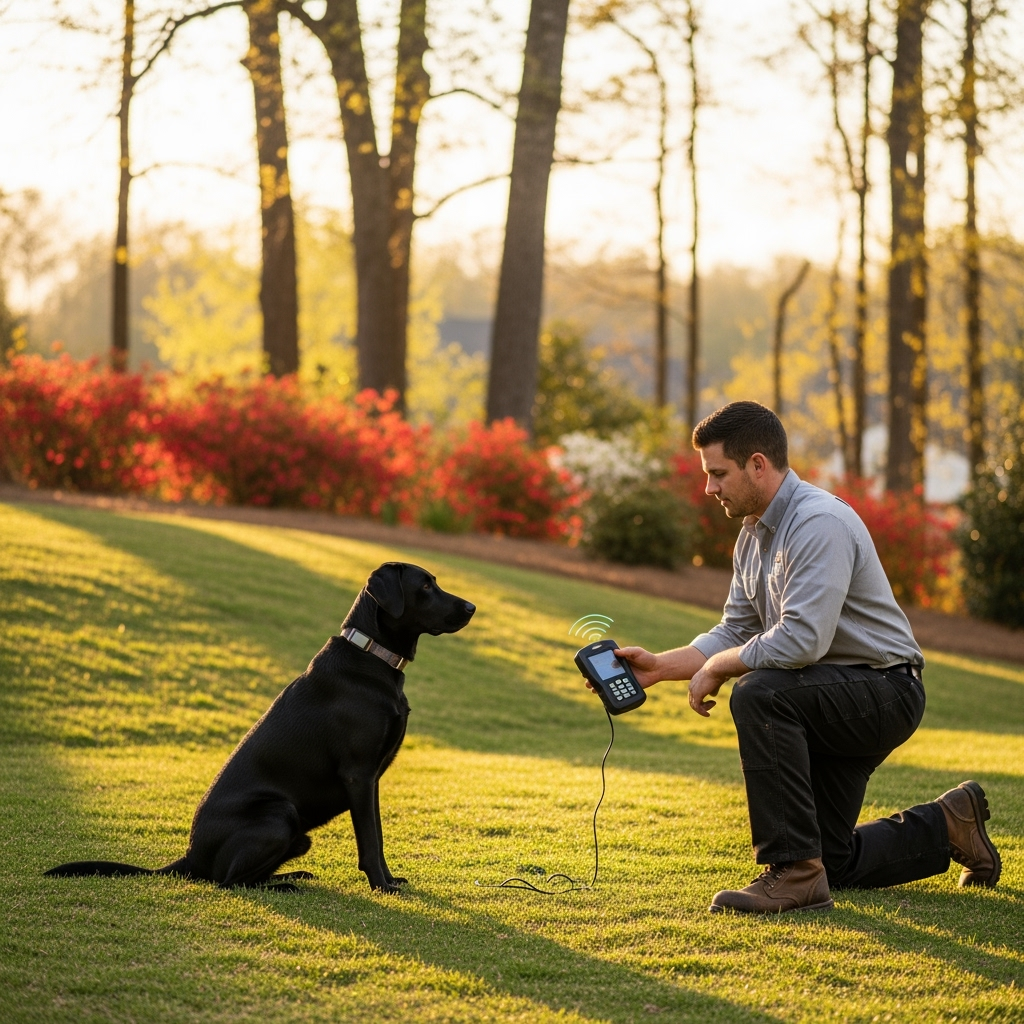
I’ve helped dozens of neighbors pick the right Athens, GA invisible fence for dogs and I know the questions that keep pet owners up at night. With more people moving to the city and the wider region growing every year, reliable pet containment has become a top priority for families who want safe yards without unsightly barriers. For context on our local growth and demographics, the U.S. Census Bureau provides a quick snapshot of population trends that affect neighborhood density and yard sizes in this area: U.S. Census.
Why more Athens homeowners choose invisible fences
Athens neighborhoods blend walkable streets, college-town energy, and older properties with varied lot sizes. That mix means a one-size-fits-all solution rarely works. Invisible containment appeals here because it preserves curb appeal, protects landscaping, and gives active dogs room to roam safely. For apartment dwellers and homeowners near the university or downtown, it’s an elegant compromise between keeping pets contained and maintaining open sightlines.
Beyond aesthetics, invisible fences answer practical needs: many yards have irregular shapes, driveways that create escape routes, and dense foliage where a traditional fence would be expensive or impractical to install. For families juggling work, school, and recreation, systems that reduce leash time and support consistent boundaries are a welcome relief.
How invisible fences work and what you should know
At the core, most systems use a boundary signal combined with a receiver collar. When your dog approaches the perimeter, the collar delivers a warning—either tone or vibration—followed by a corrective stimulus if the dog continues toward the boundary. Newer systems add GPS or app-based geofencing, letting you manage zones from your phone and temporarily expand or restrict areas.
Common system types
Understanding system types helps you choose the right fit for your dog and yard.
- In-ground wired systems: A buried wire creates a continuous perimeter. These are ideal for complex yard shapes and can be customized to avoid hazards or landscaping.
- Wireless or above-ground systems: These use a central transmitter to broadcast a circular boundary. They’re quick to set up but are limited by range and shape.
- GPS and app-based solutions: Collar-only systems rely on GPS and software, so there’s no trenching. They’re portable and good for renters or frequent travelers, though accuracy can vary in heavy tree cover.
Matching a system to your dog’s needs
Dogs come in all sizes and personalities. A system that works for a calm Labrador might be ineffective for a high-energy terrier who constantly challenges boundaries. When evaluating options, consider weight and neck size, temperament (sensitivity to correction), and training readiness.
If your dog has a history of escaping or is reactive to outside animals, prioritize systems with reliable warning tones and adjustable correction levels. Puppies require different approaches: they’re still learning and benefit from gradual training and lower correction thresholds. For elderly dogs or those with health concerns, vibration-only collars or physical fences might be kinder and more effective.
What installation looks like in the city and older neighborhoods
Professional installers typically start with a site visit to map the yard, locate buried utilities, and design a practical boundary that respects landscaping and pathways. Expect a few hours to a day for installation depending on yard size and system complexity. After wiring or transmitter setup, a technician will program the collar, show you how to use the controls, and walk you through initial training sessions.
In older Athens properties you might encounter stone walls, tree roots, or irrigation lines. A skilled contractor routes the wire to avoid these features and tailors the boundary to keep driveways and neighbors’ yards secure. If you live near busy streets or open areas adjacent to university property, the installer should design fail-safes to keep your pet away from traffic.
Pre-installation checklist
- Clear obvious debris and mark sprinkler heads to avoid accidental damage.
- Note areas you want the dog to access, like a garden or patio, versus off-limits zones.
- Have your dog on-site for a baseline temperament assessment.
Training: the make-or-break step
Installation is only part of the solution. Training turns technology into consistent behavior. Most professional installers include several short training sessions to teach dogs the boundary using verbal cues, leash guidance, and positive reinforcement. The process is gradual: dogs learn the warning tone first, then the boundary response, and finally how to reliably return to the yard under different distractions.
Here are practical training steps you can follow after installation:
- Start on leash: Walk your dog to the boundary and let them hear the warning tone so they associate it with the edge, not punishment.
- Reward good behavior: Use treats and praise when your dog retreats from the boundary to reinforce the habit.
- Increase distractions gradually: Practice during different times of day and with common triggers like other dogs, squirrels, and passing cars.
- Keep sessions short and positive: Multiple short sessions work better than long, stressful ones.
Safety and health considerations
Modern collars are designed with safety in mind, but they must fit correctly and be used responsibly. Improper fit can cause irritation or false triggers. If your dog has skin sensitivities or a medical condition, consult your veterinarian before installing any collar-based system. For dogs with a fear-based profile, tone-and-vibration-only options can reduce stress while teaching boundaries.
Battery life and device maintenance are important too. Rechargeable collars simplify upkeep, but you’ll still want a schedule for charging and testing units monthly. Regular collar and contact point cleaning prevent skin irritation and improve signal reliability.
Common concerns and how to solve them
Some pet owners worry that invisible fences remove a dog’s ability to socialize or run freely. Properly set boundaries don’t limit exercise; they create a safe zone where your dog can play off-leash while you watch. If socialization is a goal, schedule park visits, playdates, or supervised yard activities that expand your dog’s world within controlled environments.
Other common issues include signal dropouts, collar malfunctions, and dogs who test the boundary. Here’s how local contractors and technicians typically address these:
- Signal testing and perimeter re-routing to avoid interference from metal structures or underground utilities.
- Collar checks and warranty-supported repairs or replacements.
- Refresher training sessions to reinforce boundaries, especially after events like heavy storms or yard renovations.
Cost, maintenance, and long-term value
Initial costs vary based on system type, yard complexity, and whether professional training is included. In-ground systems typically have higher installation costs but offer a durable, customized solution. Wireless and GPS options are generally less costly up front but may carry subscription fees or require more frequent hardware replacement. Consider long-term factors like battery replacement costs, warranty coverage, and installation guarantees when comparing estimates.
Think of containment as a safety investment: preventing a dash into traffic or neighborhood altercations can save on vet bills and stress. Many homeowners find that systems pay for themselves in peace of mind, fewer trips to retrieve escapees, and lower fencing costs compared to extensive physical fences over time.
Local trends to watch in pet containment
Two trends are shaping the market: smart collars and eco-friendly installations. Smart collars now integrate GPS tracking, activity monitoring, and app alerts so you can see where your dog is and how active they’ve been. App-based geofencing is especially useful for families that travel or rent through the university calendar year, as boundaries can be adjusted on the fly.
Sustainability is also gaining traction. Some installers promote minimally invasive wire routing and battery-efficient collars to reduce replacements and waste. If preserving mature trees and native plantings matters to you, ask contractors about trenchless installation techniques that minimize landscape disruption.
Questions to ask a contractor before you hire them
Getting clear answers up front avoids surprises later. Here are the most useful questions based on what I’ve seen homeowners ask:
- What training is included, and how many sessions should I expect?
- Do you locate underground utilities before installing wire?
- What warranty and post-install support do you offer for collars and transmitters?
- Can you customize the boundary to protect landscaping or avoid neighboring yards?
Quick troubleshooting for common hiccups
Sometimes the fastest fixes are the simplest. If your dog keeps trying the boundary, check collar fit and ensure contact points make good skin contact. If the collar beeps unexpectedly, verify battery level and look for sources of interference such as large metal structures or new underground wiring. When in doubt, contact your installer for a free check—most reputable technicians will run a perimeter test and calibrate the system.
Final thoughts and next steps
Choosing an Athens, GA invisible fence for dogs means balancing safety, training, and lifestyle. The right system preserves your property’s look while giving your dog the freedom to enjoy the yard. Start with a site evaluation, ask about training packages, and prioritize installers who offer aftercare and clear warranties. That process will reduce headaches and keep your pup happily contained for years to come.
If you’re ready to schedule a consultation or want a personalized recommendation for a system that fits your yard and dog’s temperament, reach out to Pet Containment Systems for a professional assessment and reliable installation: Pet Containment Systems.